

As the days grow shorter and the nights longer with the new season, many people notice a dip in their mood and energy. For some, this goes beyond the typical winter slump; what they are experiencing is Seasonal Affective Disorder (SAD), a type of depression that follows a seasonal pattern.
If you find yourself feeling persistently low, tired, or unmotivated during fall and winter, you’re not alone. The good news is, there are proven strategies to help you cope with seasonal affective disorder and regain balance. In this article, we’ll consider some of those coping strategies. But first, let’s get to understand this disorder.
What is Seasonal Affective Disorder?
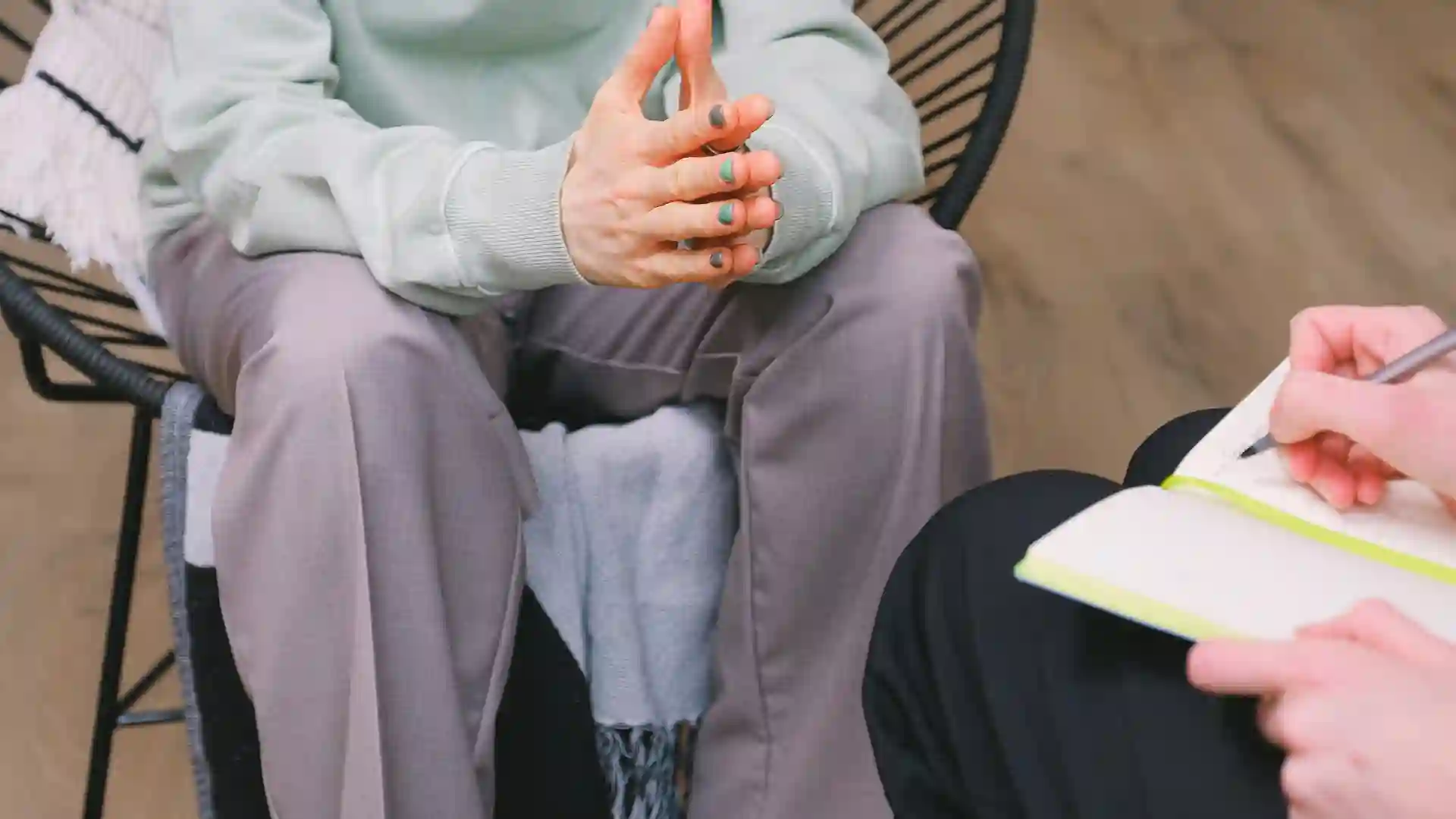
Seasonal Affective Disorder (SAD) is a form of depression that typically occurs during the late fall and winter months when daylight is limited. While often called the “winter blues,” SAD is more than just feeling down. It can significantly affect daily life, relationships, and productivity.
Common Symptoms of SAD
People experiencing this disorder may notice:
- Loss of interest in usual activities
- Persistent low mood
- Fatigue or low energy
- Irritability or feelings of hopelessness
- Difficulty concentrating
- Changes in appetite
- Change in sleep pattern, usually increased sleep or oversleeping
What Causes SAD?
While the exact cause is not fully understood, factors may include:
- Reduced sunlight exposure, which disrupts the body’s internal clock;
- Lower serotonin levels, affecting mood regulation; and
- Melatonin imbalance that affects sleep patterns.
6 Coping Strategies for Winter Blues
1. Light Therapy
Consider using a light therapy box. This mimics natural sunlight and can help regulate your circadian rhythm and improve mood during the darker seasons.
2. Stay Active
Exercise is an effective mood booster, and it helps to improve brain functioning. So, incorporate exercise into your routine even before the seasonal shift and stay consistent as the sessions change. Even light movement like walking, short jogs, or dancing can boost serotonin and release endorphins.
3. Maintain a Sleep Routine
To regulate your sleep pattern and support your body’s natural rhythms, create a sleeping schedule. Work towards going to bed and waking up at the same time daily.
4. Prioritize Social Connections
As with every depressive disorder, isolation can worsen symptoms. To tackle this, make time to connect with friends, family, or support groups. If a physical meet is not possible, even a text or call can help. Try to do this, even when you do not feel like it, as its benefits are rewarding.
5. Healthy Eating Habits
Including nutrient-rich foods in your diet and limiting sugar-heavy cravings can help to regulate your energy levels and balance your mood.
6. Consider Professional Support
If seasonal affective disorder symptoms persist, consider speaking with a psychiatrist or therapist to help provide tailored treatment options. Medication and supportive therapy may be recommended alongside lifestyle strategies.
Final Thoughts
Seasonal Affective Disorder can leave you feeling hopeless and overwhelmed as its season approaches, but you do not have to face it alone. Understanding your symptoms and the disorder in general will help you adapt strategies to help you cope. And by using the strategies in this article, such as light therapy, lifestyle changes, and seeking professional help, you can work towards brighter days, even in the depths of winter.