
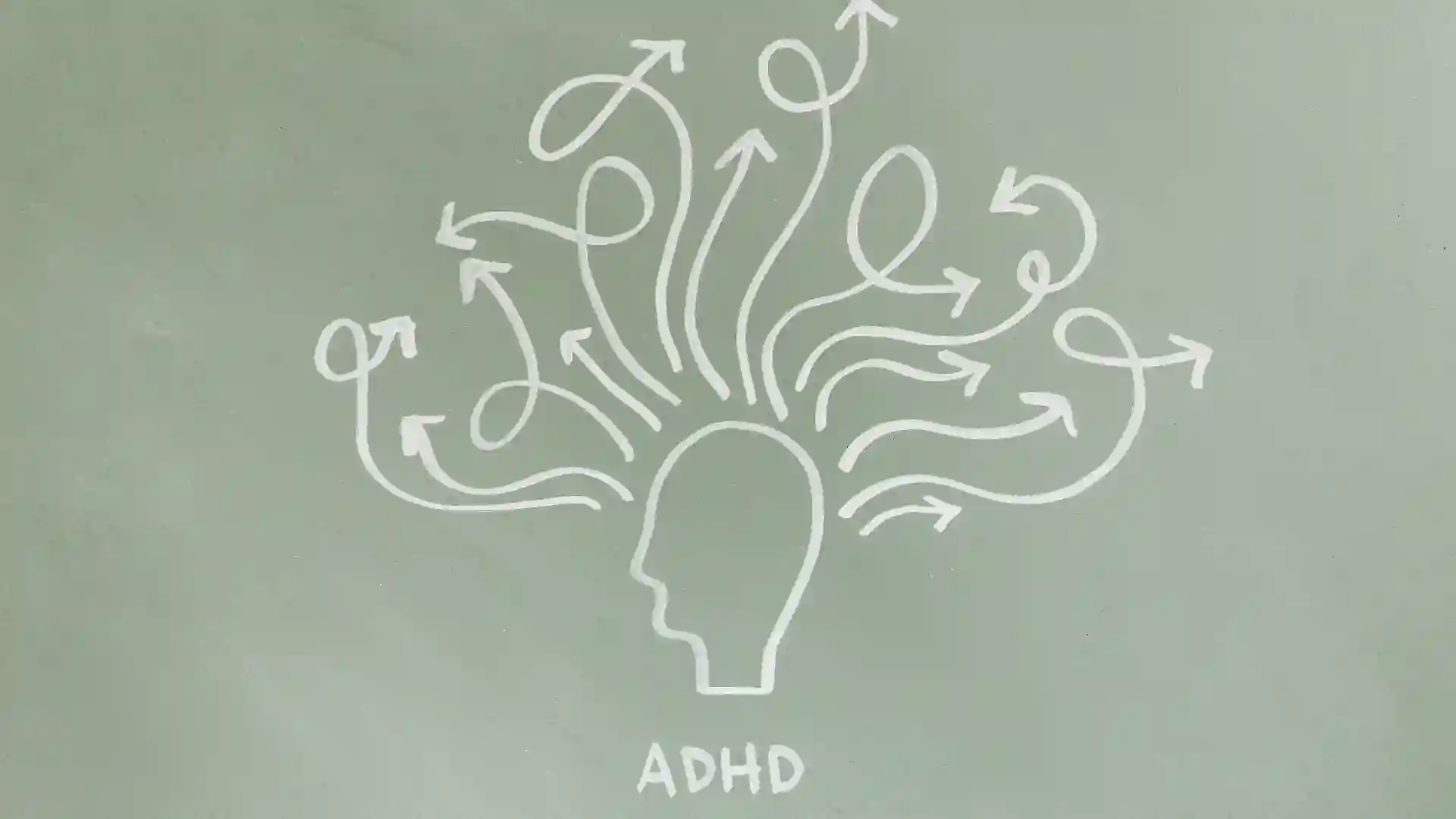
ADHD can make productivity feel like a daily challenge. From managing time to staying organized, individuals with Attention-Deficit/Hyperactivity Disorder (ADHD) often face unique difficulties that traditional productivity tips do not always help with. But with the right strategies, you can harness your strengths and create systems that work for your brain despite the disorder. So, here are 7 of the best productivity strategies for ADHD that can help you stay on track and accomplish more.
7 Best Productivity Strategies for ADHD

1. Break Tasks into Smaller Steps
Large projects can feel overwhelming. Breaking them into small, manageable steps helps reduce procrastination and provides a sense of progress along the way.
2. Use Timers and the Pomodoro Technique
Short, focused work intervals (like 25 minutes) followed by brief breaks can help maintain attention and prevent burnout.
3. Create a Visual To-Do List
Color-coded calendars, sticky notes, or digital task boards (like Trello or Notion) can make tasks more visible and easier to track.
4. Set Clear Priorities
Identify the top 1–3 tasks that must be completed each day. This reduces decision fatigue and ensures your energy goes toward what matters most.
5. Minimize Distractions in Your Environment
Small changes like silencing notifications, using noise-canceling headphones, or working in a clutter-free space can significantly improve focus.
6. Build Routines and Use External Reminders
Consistent daily routines and reminders (alarms, apps, or checklists) help create structure and reduce the mental load of remembering tasks.
7. Reward Yourself for Progress
Positive reinforcement works. Celebrate small wins, even finishing one step, to stay motivated and build momentum.
Wrapping Up
ADHD may make productivity more challenging, but that doesn’t mean productivity is altogether impossible. With ADHD-friendly strategies such as the seven (7) in this article, you can stay organized, manage your time effectively, and achieve your goals. Try experimenting with these approaches to find what works best for you. For better results, ask a friend, loved one, or other support partner to help with motivation and accountability. And remember that progress, not perfection, is the real measure of success.